

 FuturePrint recently hosted its inaugural PodFEST, bringing together a series of recorded conversations from across the print. Packaging, and industrial technology community. The programme covered a broad mix of themes, including AI, sustainability, industrial inkjet, collaboration, innovation, and the next generation of print. FuturePrint has said the recorded sessions will be edited, produced, and shared with its community over the coming months.
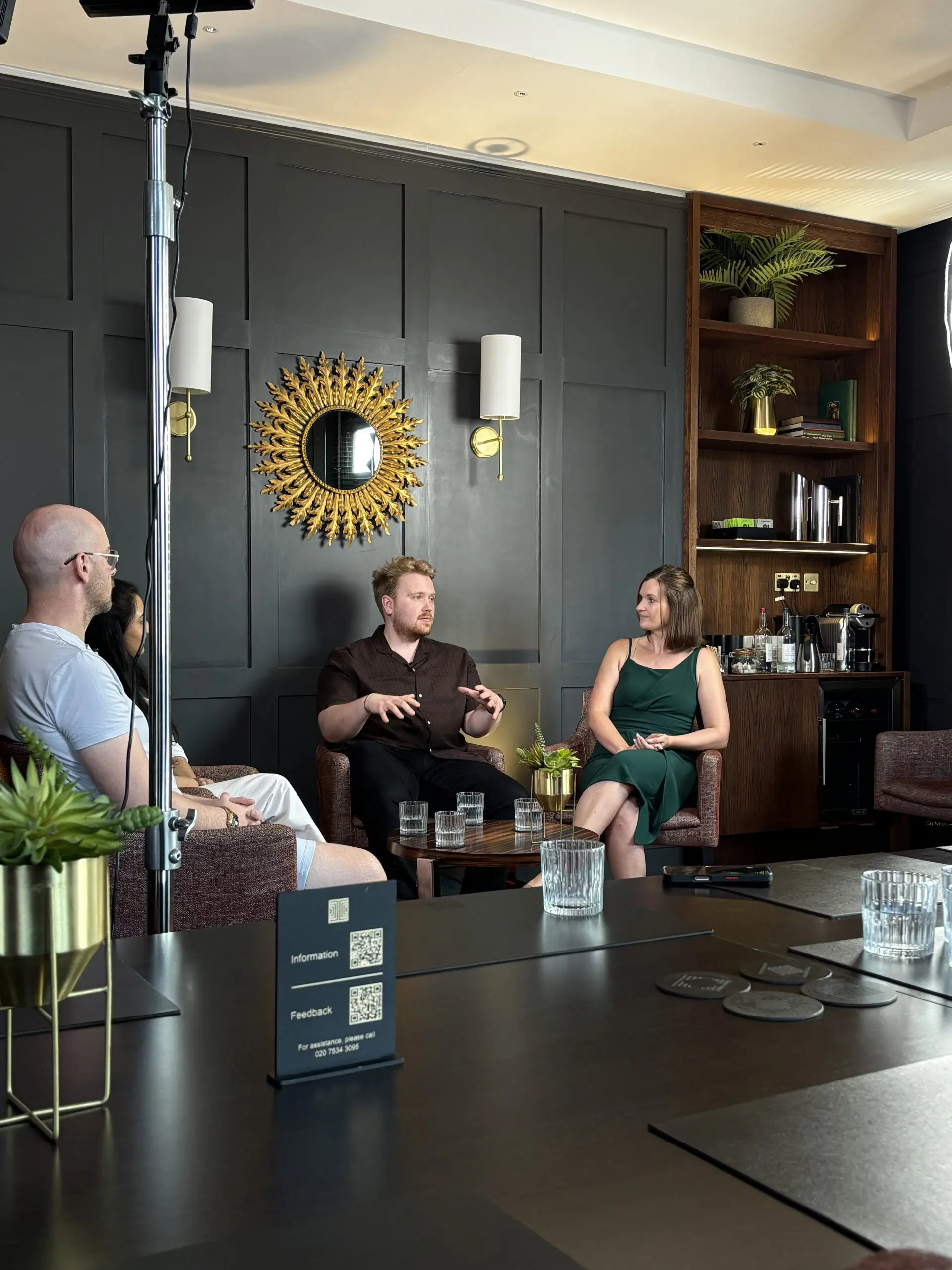
As part of the PodFest programme, our very own Lizzie Bentley (IST INTECH) hosted The Printing Charity’s Rising Stars for a session titled “Young Leaders: Print’s Next Generation.” Lizzie was joined by Connor Lonsdale of Paranova Print & Packaging, Sayeeda Rafique of Xerox, and Callum Richardson of Instantprint.
The session focused on young leaders in print, with FuturePrint’s roundup noting that the conversation explored how the guests found their way into the industry, what surprised them once they arrived, and what the industry still gets wrong when it comes to attracting and keeping the next generation.
For IST INTECH, it was a pleasure to be part of that conversation. Much of our work is naturally centered on technology: UV LED curing systems, engineered for dependable, uniform curing across a wide range of print and industrial applications. Our systems are used in areas including labels and packaging, container decoration, digital printing, coatings, medical devices, and wood furniture.
But technology, impressive though it may be, does not move an industry forward on its on – it needs people who design, test, integrate, question, improve, and occasionally stare very seriously at a machine.
That is why FtutrePrint’s “Young Leaders: Print’s Next Generation” session felt like such a fitting part of the PodFEST programme. An industry can talk, quite rightly, about machinery, automation, inkjet, and sustainability. But its future will rely on whether talented people can see a place for themselves within it.
Print has never been just one thing; it is manufacturing, design, engineering, materials science, software, colour, chemistry, logistics, and problem-solving – often arriving all at once. For people entering the sector, that variety can be one of its strengths. There are technical pathways, creative pathways, and operational pathways. Some are obvious and some are discovered almost by accident; the accidental discovery is part of the challenge. As an industry, print often has more to offer than people outside it realise. It touches a variety of sectors such as: packaging, publishing, labels, industrial, and direct to object. Yet for many young people, the routes into print are not always clearly signposted. The sector has depth, opportunity, and technical sophistication, yet it’s not always as visible as it could be.
The PodFEST session gave space to that issue by placing younger voices at the center of the discussion; not as a future footnote, but as the actual subject. The people coming into print now are already shaping how the industry talks about careers, technology, culture, and progression. We know that matters. 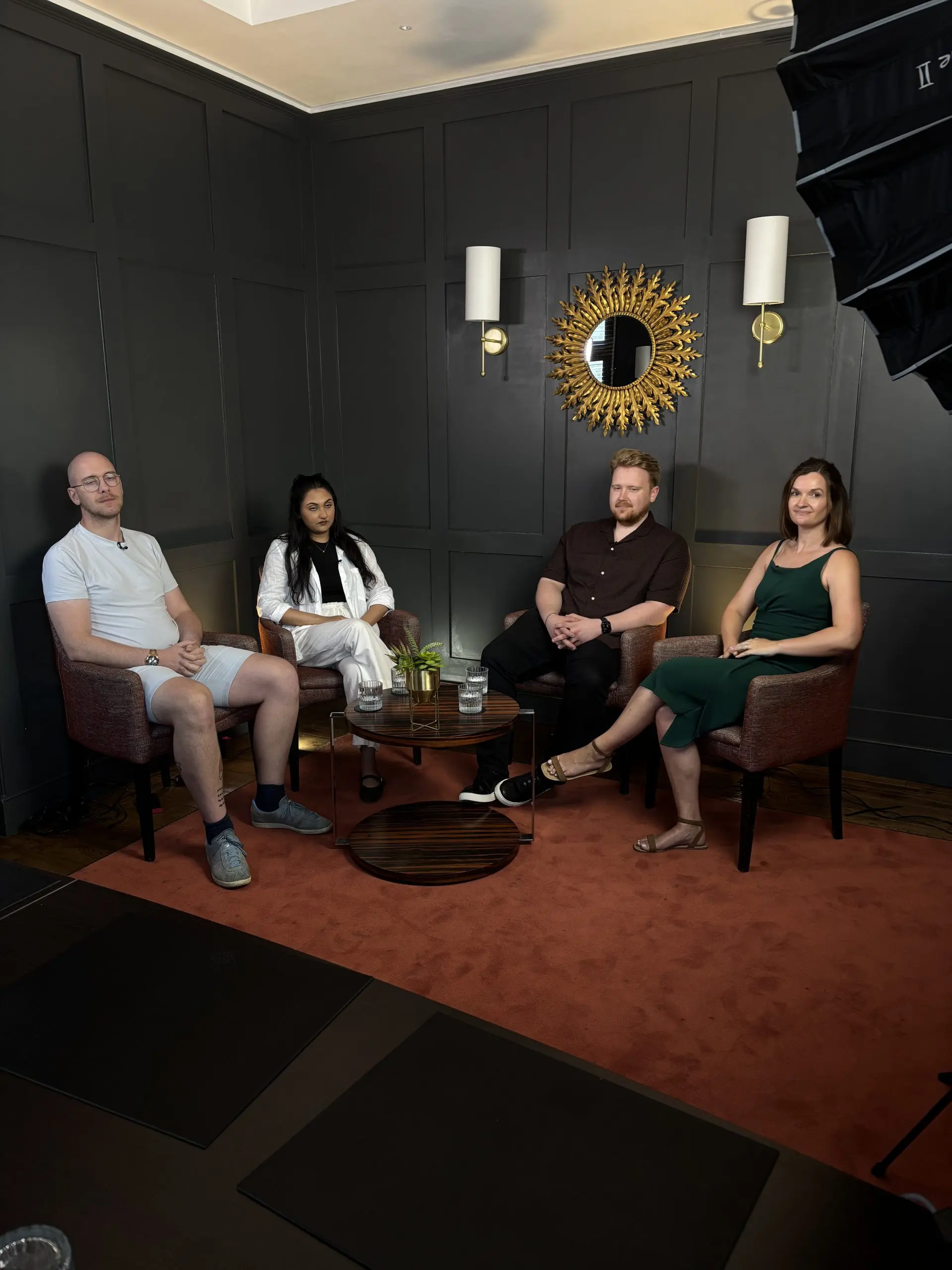
At IST INTECH, we see first-hand how quickly technology continues to develop. UV LED curing has become increasingly important across print and industrial applications, with compact systems, energy-saving designs, and flexible configurations supporting a wide range of production environments. IST INTECH’s UK-made UV LED curing systems can be supplied as stand-alone units or as part of fully integrated modular systems.
The pace of that development creates exciting opportunities, but it also increases the need for knowledge, training, and confidence across the industry. Advanced technology needs skilled people around it: engineers, operators, integrators, sales teams, service specialists, application experts, and communicators who can help customers understand what is possible.
This is where conversations about talent become more than a nice addition to the programme – they actually become central to the health of the industry.
If print wants to attract and retain the next generation, it must keep showing why the sector is worth paying attention to. That means telling better stories about the work being done. It means making career paths easier to understand. It means recognising the young professionals already contributing to the industry. And it means creating more opportunities for those voices to be heard without requiring them to first collect 30 years of trade show lanyards.
FuturePrint’s PodFEST format helped make that possible. By bringing people together for recorded conversations, rather than formal presentations, it created a setting where ideas could be explored more openly. FuturePrint’s own roundup described the event as nine conversations across two days, with networking and discussion continuing beyond the filmed sessions.
For IST INTECH, being involved in the “Young Leaders: Print’s Next Generation” session was a valuable opportunity to support a broader industry conversation. We are proud to work in a sector that continues to innovate technically, but we are just as interested in the people who will take that innovation forward.
Because the future of print will not be built by technology alone.
It will be built by the people who understand it, improve it, question it and find new ways to apply it. Some of them are already here. Some are just arriving. Some may not yet know that print is where they are heading.
A little mysterious, perhaps. But then again, so is curing with invisible light.
We look forward to seeing the recorded PodFEST session released by FuturePrint and to continuing the conversation around young talent, industrial innovation and the future of print.